Jon Brooks : The Smiling & Beautiful Countryside

Jon Brooks The Smiling And Beautiful Countryside Cover Jpeg(2014 Borealis Records)

Easy listening this is not. There’s meat on the bones on this record. Jon Brooks hails from Ontario, Canada and The Smiling And Beautiful Countryside is his 5th album to date. It is the first record of his I have heard, so I can’t really compare it with his previous output. He’s playing all of the few instruments heard on the album, actually it’s pretty much only guitars, a banjitar, plus some rudimentary percussion, which apparently is mainly his feet tapping and banging on his guitar. As you would expect, this makes for a rather sparsely instrumented and spartan album. The sound is dry, but quite substantial and good, with his gruff voice sounding like a little less moody Tom Waits (or Mr. Waits on one of his more friendly albums).

The songs range from the short, barely over one and a half minutes long These Are Not Economic Hard Times to the over 11 minutes long The Only Good Things Is An Old Dog. The latter of which expertly weaves together the story of a workplace mass killing with quotes from Shakespeare’s King Lear and Charles Baudelaire’s The Flowers Of Evil. A whole lot of songs on here are about murders and death. The Twa Sisters (also recorded in the recent past by Tom Waits on his triple-album Orphans) is based on a Francis James Child ballad and dates back to the 19th Century. It’s a long, splendid and hypnotic song with a lovely tune standing in stark contrast to the gruesome lyrics about betrayal, killing and mutilation.

My favorite song on here, Queensville is similar in that regard. Whereas The Twa Sisters is a pretty ballad, Queensville in contrast is a somewhat uptempo Hillbilly-Folk song with a catchy and upbeat feel to it. Equally uncomfortable lyrics however, about the unsolved murder of a young girl make for a captivating listening experience.

Album opener Gun Dealer is percussion-heavy and energetic and with its long list of available gun-models an excellent statement about gun-crazy cultures. People Don’t Think Of Others is yet another song I love dearly on here, the maudlin lyrics about a double suicide pact perfectly augmented by a melancholic tune and a gorgeous Folk arrangement. It’s also a fine pointer of where Jon Brooks is from with the opening lines of ‘He came from Elfros, Saskatchewan a flat town from which thwarted dreams are born, you could watch your dog run until lunchtime, or the indifferent trains ‘til morn’. Music from the Canadian Prairies breathing the wide open spaces and the secrets contained in them – in the case of The Smiling And Beautiful Countryside, the dark ones, where the ugly side of human nature rears its head all too often.

Highway 16 is again concerned with the human abyss, this one is a bout a truck driving serial killer, and on here the subdued mood of the song fits the unpleasant lyrics very well indeed. Felix Culpa is the darkest-sounding song on the album, the haunting sound of the banjitar and percussion accompaniment giving it a perfect Southern Gothic feel, reminiscent of a stripped down 16 Horsepower in their prime.

Album closer Worse Than Indians is inspired by a book about the relocation of a Dene tribe and a plea for forgiveness in the face of injustice and the wrong that has been done.

The Smiling And Beautiful Countryside is a convincing album by a songwriter with stories to tell, not always ones you necessary want to hear, but stories that will linger in your head for a long time after your heard them. His expressive voice and energetic musical accompaniment making the songs on the album all the more unforgettable.

David Mallett : Second Cup Of Coffee

David Mallett is a singer/songwriter from Maine, active since the 1970’s, although I have only recently heard of him for the first time. His songs have been covered by artists as varied as Pete Seeger, Arlo Guthrie, Emmylou Harris, Alison Kraus, and, ahem, The Muppets (Garden Song). He’s recorded some more Country influenced albums in the past, but the songs of his I like most are firmly rooted in Folk-traditions. So, fittingly, the two videos I chose to share on here were recorded in a coffehouse in Massachusetts in 2014.


His website is: http://davidmallett.com/


Jon Brooks : Mercy

Jon Brooks is a Canadian Singer/Songwriter who I have only recently discovered. Still have to get one of his records, his latest album The Smiling And Beautiful Countryside was released in late 2014, so I’m probably gonna go for that. This song, Mercy is taken from his 2011 album Delicate Cages, is a splendid, quiet acoustic song with intelligent lyrics – so it’s right up my street.

http://www.jonbrooks.ca

Bruce Cockburn : Nothing But A Burning Light

Bruce Cockburn Nothing But A Burning Light album cover When Nothing But A Burning Light was released, way back in 1991, I liked the music I was listening to have a bit more punch and drive, so I didn’t give him and his music the attention it definitely deserves. Having left the ‚Rock’ period more or less behind the past few years, I can see now that he is an amazing guitarist, an extraordinarily gifted songwriter and politically on the ‘right’ side, which for me is the left. He’s long been active and supportive of humanitarian and ecological causes, as well as a supporter of Native American causes (he was, for a time in the 1960’s, a member of Abundance To Revolution with Duke Redbird, whose song Silver River (with Shingoose) can be heard on Native North America Vol. 1 (read my review here). Which neatly brings me to one of the standout tracks of this record, Indian Wars. Fittingly, it’s a somber, sparsely produced song with only him on acoustic guitar/vocals and Jackson Browne on a resonator guitar together with violin/mandolin player extraordinaire Mark O’Connor. The result is a dignified, slow and gorgeous songs with touching, poetic lyrics such as this: ‘treaties get signed and the papers change hands but they might as well draft these agreements on sand’. O’Connor’s contributions can’t be praised enough, on here, as well as on One Of The Best Ones, his graceful violin/mandolin accompaniments are simply wonderful. Also exceedingly excellent is Child of the Wind – a song with  a title like this could be very much kitsch in lesser hands, but on here it’s utterly beautiful (this time with Cockburn on a resonator guitar, having one of those played on a song is always a plus). Speaking of arrangements, the album is produced by probably the best man for this kind of music, T Bone Burnett. Burnett contributed his skills to many of my favorite records such as Counting Crows’ August and Everything After, as well as albums by The Wallflowers, Jakob Dylan and Gillian Welch (just to name a few). In the recent past he’s become legendary of course with his musical directions for The Coen Brothers’ O Brother Where Art Thou?’ and Inside Llewyn Davis. On here you hear a sound which is, for that time period, outstandingly good, a bit thinner than nowadays maybe, but there’s mainly acoustic instruments and the sound is both rustic and naturalistic – just as I like it. There’s also two lovely instrumental songs, one, Actions Speak Louder is the theme to a documentary called The Greenpeace Years. The slightly too commercial for my taste Great Big Love most probably was intended as a hit single (the album was released on Columbia Records after all), but for me is the least convincing song on the album. Album opener A Dream Like Mine which sounds similarly catchy (it’s one of the few slightly more uptempo songs) fares much better in comparison. Second track Kit Carson and Mighty Trucks Of Midnight sound exactly like the titles suggest, breathing the spirit of empty North American trails and highways, with the latter touching on problematic issues such as US American companies leaving the country to do their manufacturing down in Mexico. Soul Of A Man, a song by Blind Willie Johnson sounds exactly like you would expect it to (which is a good thing, naturally). Somebody Touched Me in contrast, sounds light and airy with a rather nice organ by Booker T. Jones. I’ve just been rediscovering this CD among my records a few days ago, I didn’t even know anymore I had it. I am very glad I did, it’s an amazing record by an artist at the prime of his career, with a producer on board that knows exactly how to produce this kind of music, a match made in heaven. And, most importantly, a bunch of great songs. Here’s a rather beautiful video/slideshow to ‘ Indian Wars’. https://www.youtube.com/watch?v=9t1a5DLmR8U

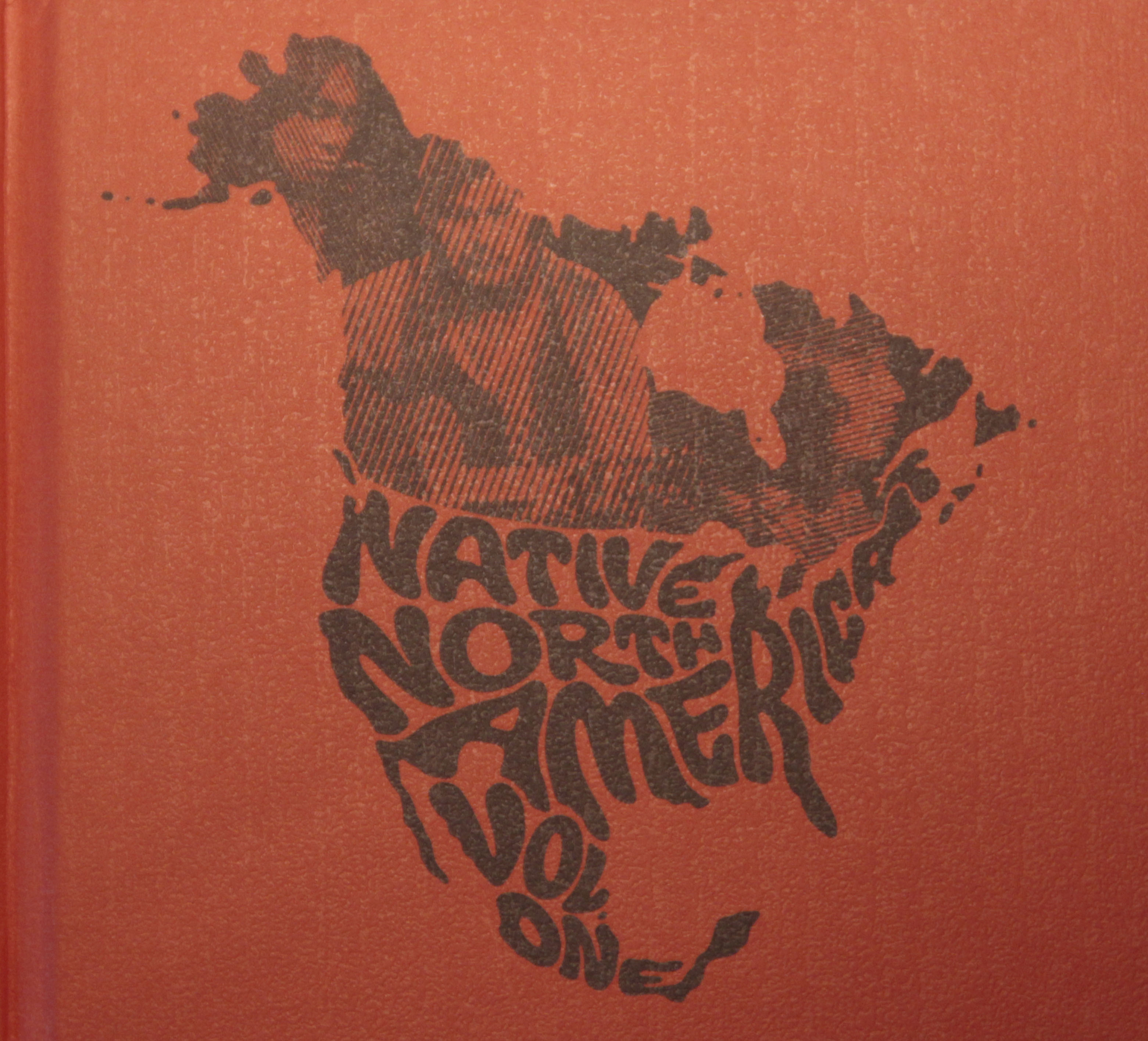
Native North America Vol. 1 (Review)

Nartive North America Vol. 1 cover jpeg

This is a release both commendable and highly recommended. The 2-CD set gathers material by Native American (most of them Canadian) songwriters and bands hardly known or remembered nowadays, certainly not by me, I hadn’t heard of a single artist on here before. It also was a conscious decision to focus on more little-known artists, so people like Buffy Sainte-Marie are missing.

The most widely known artist probably is Willie Dunn. He seems to have been something of a forerunner for many Native American artists and bands during that period. The background notes in the booklet for him introduces the reader to a highly prolific songwriter, filmmaker, coffee shop owner and painter. His amazing album opener  I Pity The Country was chosen to accompany the video trailer for this release which you can see here. It’s a highly loveable Folk-Rock song with captivating, acute and poetic lyrics and a fabulous melody.

The above mentioned, accompanying excellent 120 page (yes, 120) booklet not only provides extensive background info on each of the 20+ Artists/bands featured, and also shows the original album artworks (incl. the record labels) as well as providing the lyrics to all songs. In case of non-English language songs the original lyrics and their English translations are also included. I for one enjoy browsing through the booklet almost as much as I do listening to both CD’s, the life stories being told of most artists are utterly fascinating.

I assume the fact that a lot of songs on here were recorded on a rather limited budget contributes to many of them being somewhat sparsely arranged and acoustic guitars abound, which is of course absolutely fine by me. The time span these songs were recorded in and the places the artists hail from, also contributes to a large amount of Folk-influences found throughout the 2-CD’s

The simplicity of many of the arrangements suits the nature of this compilation of songs from the far reaches of the Canadian wilderness and places such as The Northwest Territories (Willie Thrasher), Nunavut (Alexis Utatnaq) and Nunavik in Northen Quebec (Sukluk) very well. It’s also worth bearing in mind the function these songs primarily served. None of the artists on here came out of a hip student scene such as the ones found on cities such as New York City or Boston. A lot of the people in these bands went to boarding schools, oftentimes far away from home, which for many of them must have meant a troublesome and difficult experience. If they stayed in or returned to their own communities, they could often be found playing social gatherings – which, considering many of them were deep in the bush or close to the arctic circle, certainly is a far cry from some arty music club.

Said simplicity however isn’t evident all too often when it comes to most songs’ lyrics. Sure, there are fun and rather light-hearted songs on here too, such as Sugluk’s Fall Away and I Didn’t Know or Sikumiut’s Utirumavung and Sikumiut (the latter is especially catchy and cute). The afore mentioned I Pity The Country might be the most eloquently realised indictment of all that’s been wrong when it comes to relationships between Native Americans and non-natives. But a whole lot of other songs on here touch on similar themes which also penetrate deep into the music and mood of the songs. Alexis Utatnaq’s Maqaivvigivalauqtavut and Ernest Monias’ Tormented Soul are prime examples for this. Added are a host of excellent examples of the Native American way of storytelling and crafting dreamlike lyrics. The deep spiritual sensibilities palpable on all three songs by Willie Thrasher, Winds Of Change by Lloyd Cheechoo, Silver River by Shingoose (poetry by Duke Redbird), just to name a few, make for a haunting listening experience. The sound of Neil Young from that time period is also not far away on a number of tracks, such as Silver River and especially the brilliant Dreams Of Ways by Brian Davey.

Other highlights for me are Groupe Folklorique Montagnais’ (incl. Philippe McKenzie whose melancholic and mysterious Mistashipu, sung in his native Innu-aimun language opens CD2 in convincing style) song Tshekuan Mak Tshetutamak, which is an amazing blend of a Folky guitar strum-along and tribal drums. Both of John Angaiak’s songs on here Hey, Hey, Hey, Brother and I Rock You To The Rhythm Of The Ocean are pieces of pure introspective singer-songwriter magic with his melancholic voice making them crawl deep into your heart. Peter Frank’s Little Feather is another especially fine Folk-Country hybrid with a lulling, affecting tune. Excellent stuff.These songs are just some examples of tracks on here I find noteworthy, I could list a whole lot more.

As mentioned at the beginning, I can’t recommend Native North America Vol. 1 highly enough. With 34 tracks it’s cock-full of mostly excellent songs, both varied in style and unified by a strong sense of musical enthusiasm and connection to the land these artists stem from. This altogether makes for a captivating listening experience, conjuring up images (in my mind at least) of stark Northern American landscapes and the people who have been inhabiting them for a long time and the challenges they have been facing for the past 150+ years.


Back Road Bound’s Favorite Songs Of 2014

To wrap up the year 2014 I made a mix with some of my most-loved songs released this year.

Follow the link below to hear them on Mixcloud

https://www.mixcloud.com/ThatContainerGuy/back-road-bounds-favorite-songs-of-2014/

The Tracklist:

Willie Dunn : I Pity The Country (from Native North America Vol. 1)

Sun Kil Moon : Jim Wise (from Benji)

Conor Oberst : Night At Lake Unknown (from Upside Down Mountain)

Willy Mitchell : Call Of The Moose (from Native North America Vol. 1)

Luther Dickinson : Bar Band (from Rock’n’Roll Blues)

Hard Working Americans : Straight To Hell (from Hard Working Americans)

Wes Tirey : Come Home (The End Is Near Blues) (from O, Annihilator)

John Angaiak : Hey, Hey, Hey, Brother (from Native North America Vol. 1)

Lucinda Williams : Burning Bridges (from Down Where The Spirit Meets The Bone)

Joe Henry : Grave Angels (from Invisible Hour)

Carrie Elkin & Danny Schmidt : Sky Picked Blue (from For Keeps)

Groupe Folklorique Montagnais : Tshekuan Mak Tshetutamak (from Native North America Vol. 1)

Taj Mahal : Cakewalk Into Town

Until very recently I only knew Taj Mahal by name and from his fabulous contribution to Michelle Shocked’s Arkansas Traveler . I am not really the biggest Blues-aficionado but I like some every now and then, especially when it comes to the more rural Folk and Country Blues artists. Then I bought The Best Of Taj Mahal and discovered this gem of a song. It makes me grin from ear to ear when I listen to it.

Native North America (Vol. 1 : Aboriginal Folk, Rock and Country, 1966 – 1985)

This release touches some of my main concerns at the moment, music and Native American interest. I haven’t got the album yet, but have recently ordered it. I will be writing more about it once I have got the album and had the chance to engange with it properly. In the meantime, here’s a link to a short video on YouTube explaining what the project is about.

For more information, please also check the following link to the label website.

Native North America (Vol. 1): Aboriginal Folk, Rock, and Country 1966–1985

Sun Kil Moon : Benji

Sun Kil Moon Benji cover jpeg(2014 Caldo Verde)

Mark Kozelek and me go a long way. Not personally, of course, but I have been listening to his albums on and off, since, well I can’t remember exactly, but most probably since the Red House Painters’ self titled album (aka The Rollercoaster (the one with Grace Cathedral Park – still probably my favorite RHP track)). After RHP ended with Old Ramon I lost touch with his music for a bit. Not very long though, as I very much liked his albums Rock’n’Roll Singer, and What’s Next To The Moon too, despite their, for my taste rather questionable song choices (featuring mostly songs by AC/DC, who I do not care one bit about in general). But what he made out of these songs was very remarkable and excellent and I liked their more natural and stripped-down arrangements too. Take Me Home : A Tribute To John Denver was even better, although it can’t strictly be called a Mark Kozelek album, but he certainly left a big mark on that record (and was the main force to its gestation).

To this day I still have to get the first few releases by his current band/project/name (as nowadays it’s pretty much only Kozelek recording under that name). 2012’s Among The Leaves was great, I love(d) it dearly. Benji, released earlier this year, sounds a bit more like a band record than its predecessor and was very well received, Pitchfork even described it as ‘his best record to date’. A claim I am not sure I can agree with, not because of the fact it’s not an excellent album, it most definitely is, but as an artist with a back catalog as good as his, I find it very hard to say which one I would consider to be his best. But it’s fair to say that he’s on a roll these past few years – and there aren’t that many artists that maybe even get better as they get older.

These songs are certainly not easy to digest, with subjects ranging from serial killers (Richard Ramirez Died Tonight Of Natural Causes), high school shootings (Pray For Newtown) and people dying in fires (Truck Driver and Carissa).

Anyway, it starts devastatingly beautiful with the sad tale of his second cousin, 35 year-old Carissa that burns to death in a freak accident. In the song he recounts their personal history, she’s still living in Ohio (where Kozelek is originally from) at the time of her death. Whether that story is actually true (though I assume it is) or not matters not one bit. These are the tragic stories that happen all around the world day-to-day. The sad stuff of life. That he manages to write a gorgeous song carrying such an emotional impact, is a testament to his exceptional abilities as a songwriter and storyteller.

Equally touching and tragic is the story told in Jim Wise (the fact that both songs bear the name of the person they are about is also indicative of his above mentioned abilities). Jim Wise, an old friend of his dad mercy-killed his wife but failed to take his own life and now, under house arrest and awaiting his trial, has to live with what he’s done and failed to do. One can imagine how much he must have suffered with her to take a step so drastic so it’s not hard to imagine the pain he’s living through now. Instead of writing that song from Wise’s perspective it’s written from Kozelek’s, describing Wise’s house and the day he went with to see him with his dad and how it felt to watch him go about his day. I almost started to cry when first listening to both songs (and that’s saying something, believe me). Jim Wise is especially loveable musically, with about three and a half minutes it’s one of the shorter songs on here and has got a simple, almost whimsical melody and is only minimally accompanied by guitar/keyboards and a xylophone. Wonderful.


Listen for yourself

These are only the two most outstanding songs in my opinion. The rest of the eleven, mainly long-ish songs (the total playing time is 60+ minutes) are not bad either, I Love My Dad is excellent too – sounds quite upbeat (for Kozelek’s standards) with a stoic proto rock’n’roll sound (all done the Kozelek way, naturally, so it doesn’t exactly sound like the Stooges), it’s like you haven’t heard him before a lot – but it’s very good.

That same thing can be said about album closer Ben’s My Friend, a sort of Jazzy/Soul/R’n’B hybrid of a song, not really my sort of music at all, and certainly not one you would expect to hear on a Mark Kozelek album, but I quite like it too (especially the horns, again not my fave instruments generally speaking, but this sounds pretty good). Plus it’s named for Death Cab For Cuties’ Benjamin Gibbard who is held in very high esteem around here at Back Road Bound, not least for his stunningly wonderful collaboration with Son Volt’s Jay Farrar on the Jack Kerouac-themed One Fast Move Or I’m Gone project.

Another one of the very finest songs on the album for me is the folky, acoustic and lovely Michelene which sounding quite sunny and friendly, with a gorgeous acoustic guitar and piano accompaniment. If you can get past the sorry subject matter of the lyrics that is. It’s about two persons from his life that definitely didn’t get what they deserved. So that contrast between the lyrics and the music is what make it especially good for me.

I Watched The film The Song Remains The Same is probably the most confessional and intensely personal of the songs on here (and with over 10 minutes the longest). In it, he’s mainly dealing with his melancholic nature and the person his is. It’s also the most confessional, as he even apologizes to the (only) kid he ever beat up way back in school and thanks the guy that offered him a recording contract back in 1992. I can’t really think of many other songwriters that would write about stuff like this and that is probably exactly why his songs carry such an emotional impact and have meant so much to me over the years. It’s also the song reminding me of classic Red House Painters tracks the most (it’s up there with the brilliant, depressive masterpiece Michael from 1992’s debut Down Colorfull Hill), which is nice.

An utterly remarkable record by a brave and honest artist that has lost none of his singular qualities. I can’t really imagine him getting irrelevant anytime soon. Excellent stuff.